Why Lasers Belong to the Colder Months
Laser work is seasonal for one reason, and it is sun. Treated skin is more vulnerable to UV for weeks afterward, and the months with less of it are simply the easier months to heal in. That is why providers start booking resurfacing as the days shorten.
What a non-ablative laser does differently
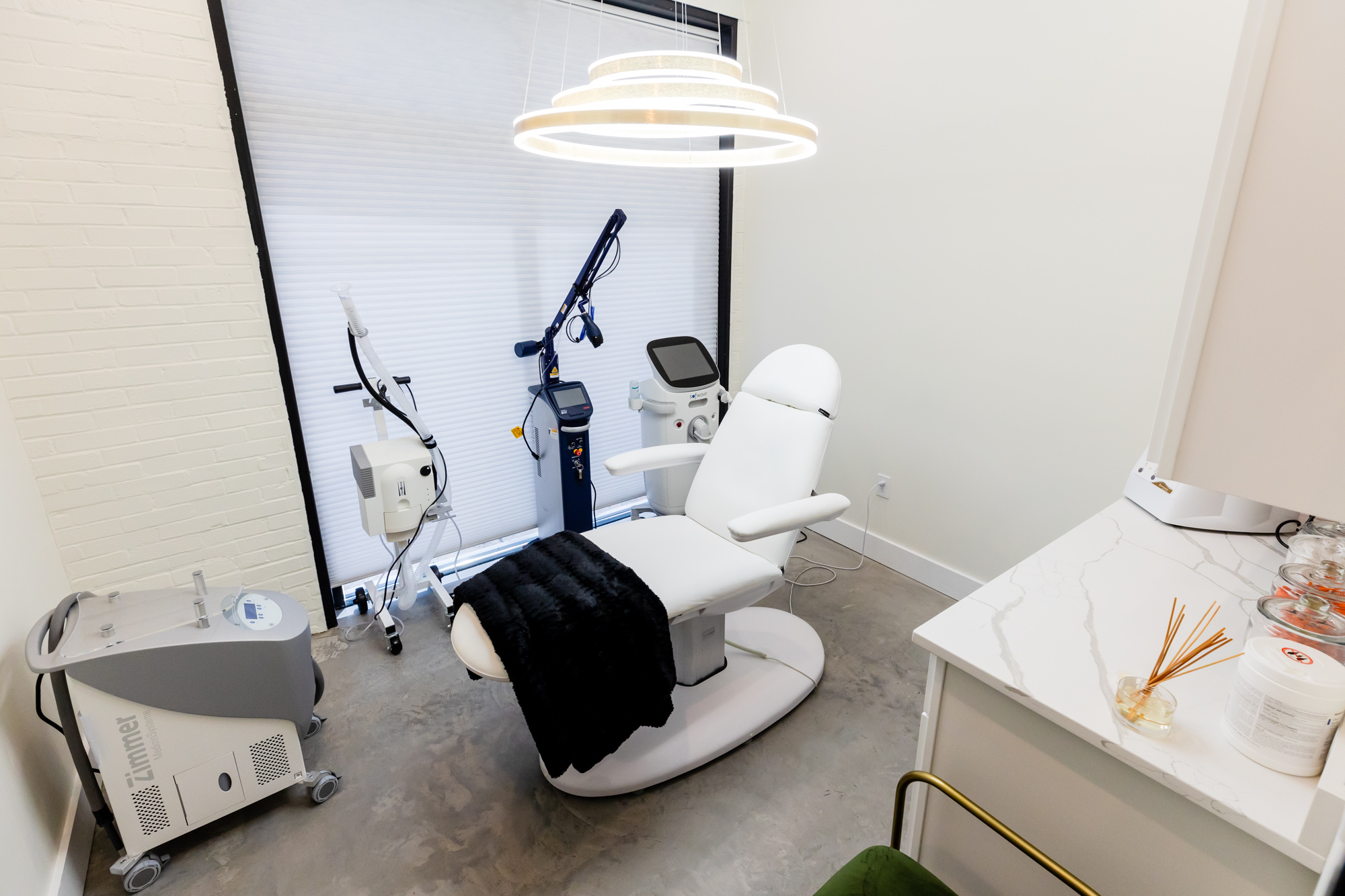
An ablative laser removes the surface. A non-ablative laser, like LaseMD Ultra, passes through it and delivers energy underneath, leaving the outer layer intact. The tradeoff runs in both directions: gentler recovery, and results that build gradually rather than arriving at once.
What that buys you
Short recovery. Most sessions run under an hour. Expect redness and mild swelling, similar to a light sunburn, settling over a day or two rather than a week.
Collagen, over time. The energy reaches the dermis and prompts collagen and elastin production. This is the slow part. Improvement accumulates across the months after treatment, not the days.
Range. Settings can be adjusted for pigment, melasma, fine lines, or shallow scarring, which is why one device gets used for fairly different concerns.
A wider margin on deeper skin tones. Ablative and older laser platforms carry real risk of post-inflammatory pigmentation in richer complexions. Non-ablative settings widen that margin considerably. They do not eliminate it, and your provider should be assessing your Fitzpatrick type and pigment history before choosing a setting.
On recovery
A growth factor serum such as Ariessence is often applied afterward to calm redness and support collagen production while the skin heals. Sun protection is not optional in the weeks that follow. It is the entire reason the treatment waits for autumn.